Pillow and bedding guide
How to Choose a Pillow Fabric for Comfort and Care
A pillow’s filling may determine its shape and support, but the fabric is what meets your face night after night. Learn how fibers, weaves, warmth, and washing instructions affect comfort—and how to choose a pillowcase that suits your sleep habits and household.
Why pillow fabric deserves a closer look
When you’re choosing a pillow, it’s easy to focus on loft, firmness, and what’s inside. Those details matter, but the outer fabric plays a quieter, daily role. It shapes the first impression when you lie down, influencing whether the surface feels crisp, smooth, brushed, or softly textured. It can also affect how warm the pillow feels, how readily it releases moisture, and how well it stands up to washing and repeated use.
The right choice depends on more than a fiber name on a label. A fabric’s construction, weight, finishing, and care requirements all contribute to its performance. Cotton percale, cotton sateen, and cotton twill, for example, can feel noticeably different even though they share a principal fiber. A blend can change the hand-feel again, adding warmth, drape, or softness while introducing its own care considerations.
Rather than searching for one universally “best” pillow fabric, think about the experience you want and the upkeep you’re comfortable with. Do you like a cool, clean-feeling surface, or prefer something warmer and gentler? Will you wash pillowcases frequently? Do you want a material that can go in the washing machine, or are you willing to follow more specialized instructions? Those answers make the decision more personal—and more useful.
Start with the fiber, then look beyond it
Fiber content is a sensible starting point because it describes what a textile is made from. Cotton is a familiar choice for pillowcases, valued for its versatility and availability in a wide range of weaves and finishes. Depending on its construction, cotton can feel cool and crisp, smooth and lustrous, or relaxed and soft. Its care needs vary by product, so check the label rather than assuming every cotton fabric should be washed the same way.
Cashmere is an animal fiber known for a soft, fine feel and cozy warmth. In bedding, it may appear as part of a blend rather than as the sole fiber. A cotton-and-cashmere fabric can combine cotton with a softer, warmer touch. The proportions matter: a blend with a modest amount of cashmere will not necessarily feel or behave like a fabric made entirely from cashmere, and construction will have an influence too.
Other fibers and blends may also appear in bedding. Some offer a particular texture or practical feature; others are selected to meet a price point or suit a specific care routine. The important thing is to assess the stated fiber content accurately. Terms such as “cashmere-soft” can describe a sensation, not a fiber composition. If you want genuine cashmere in a pillowcase, look for cashmere listed in the material details rather than relying on a softness claim or product name alone.
Fiber is only part of the story. A label that says “cotton” does not tell you whether the cloth is woven in a plain weave, twill, or another structure. Nor does it reveal every aspect of the finish, yarn, or fabric weight. Treat the fiber list as the beginning of your comparison—not the final verdict.
How weave changes the feel
Weave describes how yarns cross over and under one another in a woven fabric. Knitted fabrics, by contrast, are formed from interlocking loops. In either case, construction changes the surface, flexibility, drape, and sometimes the way a textile wears. For pillowcases, the weave can help explain why two fabrics made from similar fibers feel so different against the skin.
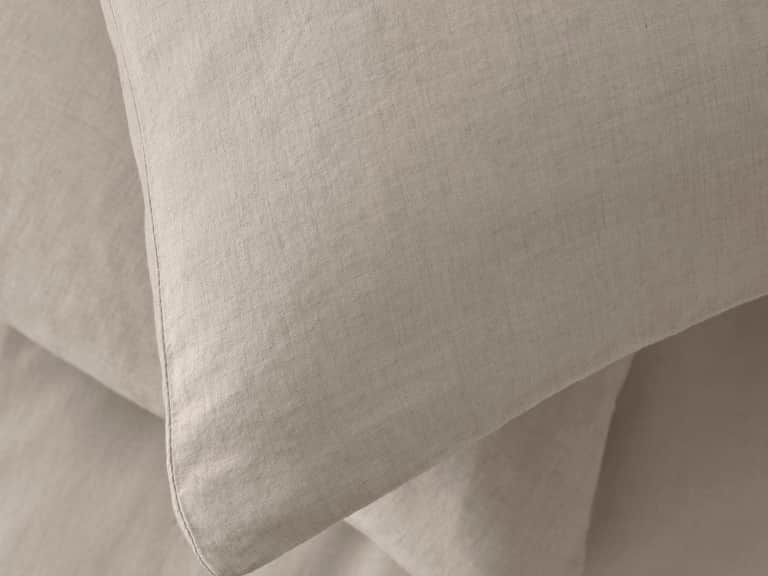
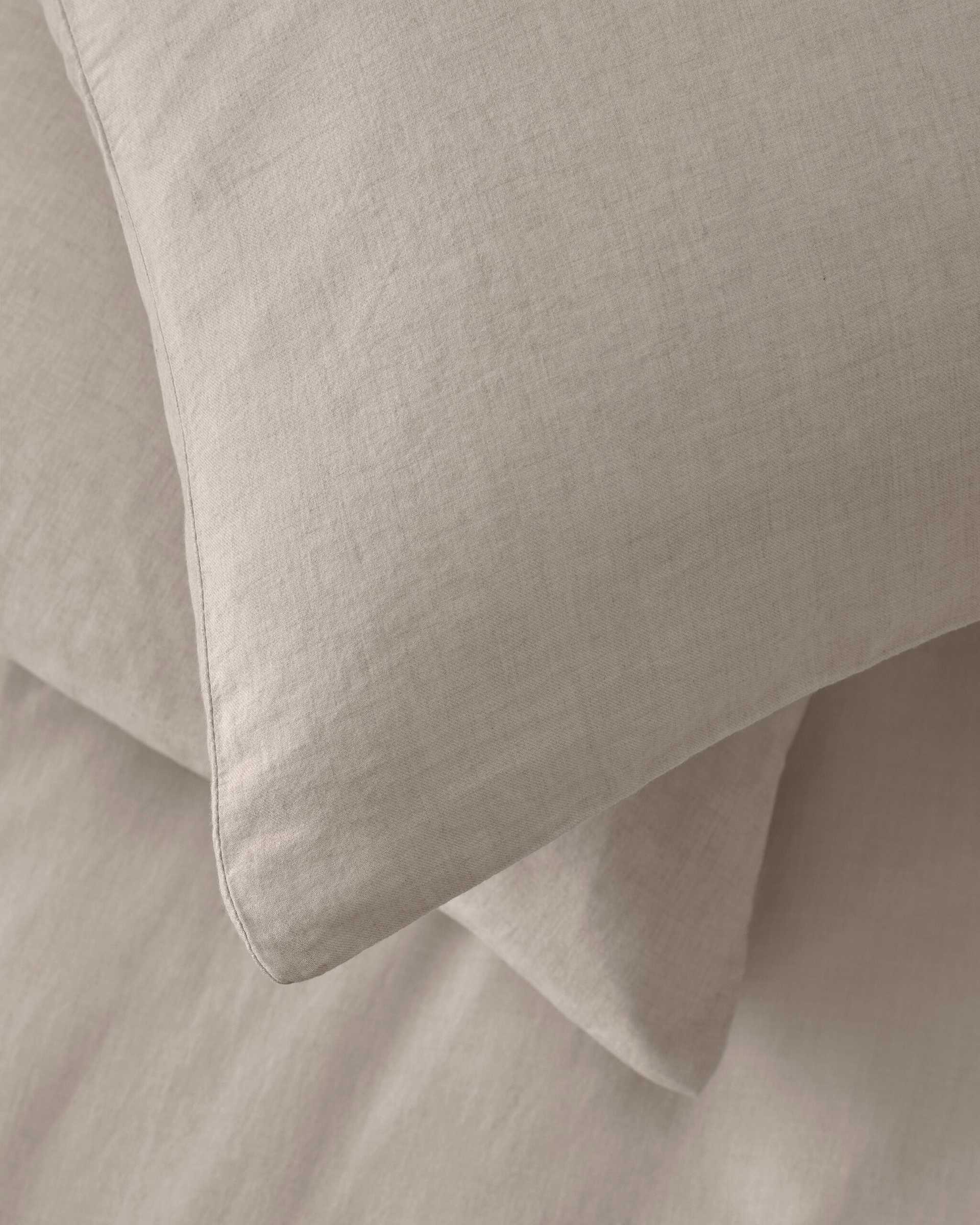
A twill weave has a characteristic diagonal structure. It can give fabric a supple, substantial feel and a distinctive surface. Cotton-and-cashmere twill pillowcases, such as the Smir Pillow Cases Set, are described as having a soft, warm feel and a diagonal weave. The listed composition is 85% cotton and 15% cashmere, and the stated care is machine washable. This is one example of how a blend and a weave work together: the material details set expectations, while the particular cloth determines the finished feel.
Percale is generally associated with a plain weave and a crisp, matte hand. Sateen, also commonly made from cotton, is woven to create a smoother surface and a subtle sheen. Neither is automatically more comfortable. Someone who likes a cool, crisp pillowcase may gravitate toward one texture, while someone who wants a smoother, more fluid feel may prefer another. Finishing and fabric weight still matter, so use these descriptions as clues rather than guarantees.
Knit fabrics have a looped structure that can make them stretchier and more flexible than many woven options. That ease can feel relaxed, though a knit’s shape and maintenance needs may differ from those of a woven pillowcase. A pillow cover is also not interchangeable with a pillowcase in every setting: covers may have closures or be intended as decorative layers, while pillowcases are typically designed to enclose a pillow used for sleeping.
Match the texture to your sleep environment
A fabric can feel lovely in a shop or online description and still be the wrong fit for your bed. Think about the room, your bedding layers, and your own preferences. If you tend to feel warm at night, a lighter, breathable-feeling fabric may appeal. If you enjoy a cozy surface in a cool bedroom, a softer or warmer textile may feel more inviting. These are comfort preferences, not guarantees about temperature regulation: the whole bedding system, room conditions, and personal habits all play a part.
Pay attention to how the pillowcase feels where it matters most. A textured fabric may feel pleasantly tactile to one person but distracting to another. A smooth surface might be a welcome luxury, or simply feel too slippery. If you’re sensitive to seams or closures, inspect where they sit and how the case is finished. The pillowcase should fit the pillow without excessive tension or loose, uncomfortable excess.
Consider seasonality, too. A warmer-feeling fabric can be appealing in colder months, while a lighter hand may suit a warm room or a summer setup. That does not necessarily mean you need separate pillowcases for every season. It can simply help you choose a fabric whose usual feel makes sense for the conditions in which you sleep most often.
Finally, remember that “soft” is not a precise technical standard. It may refer to fiber fineness, finishing, fabric construction, or simply a subjective impression. When possible, feel the fabric in person. If you’re shopping from a description, look for concrete details—fiber percentages, weave, fabric weight, and care instructions—that offer more information than a broad comfort claim.
Care instructions are part of comfort
A pillow fabric is only practical if you can care for it in a way that fits your routine. Pillowcases are used close to the face and are often laundered regularly, so it’s worth checking the care label before deciding. “Machine washable” is helpful, but it does not necessarily mean the fabric should be washed with any detergent, at any temperature, or on any cycle. Follow the specific instructions for the item.
Blends deserve particular attention. A fabric containing more than one fiber may need care suited to the most delicate component or the finished textile as a whole. That doesn’t mean a blend is automatically difficult to maintain: the Smir pillowcases, for instance, list a cotton-and-cashmere composition and machine-washable care. The lesson is simple: don’t guess based on fiber reputation alone. Confirm what the maker says about the finished product.
Helpful details to check include water temperature, recommended cycle, whether to wash with similar colors, drying instructions, and whether ironing is appropriate. If care guidance is absent or unclear, consider asking the seller before buying. A little research is easier than trying to correct shrinkage, color transfer, or damage after the fact.
It’s also useful to consider how you actually do laundry. If you prefer a simple wash-and-dry routine, choose a pillow fabric whose written instructions fit it. If a textile calls for more careful handling, decide honestly whether you’ll maintain that routine. A beautiful fabric that stays in the linen cupboard because it feels too demanding is unlikely to become a favorite.
A simple checklist for comparing pillow fabrics
When several options seem appealing, compare them side by side. A short checklist can cut through glossy descriptions and focus attention on the details that affect everyday use:
- Fiber content: What fibers are present, and what are their percentages? Distinguish a genuine fiber blend from a name that only suggests a particular feel.
- Construction: Is the fabric woven or knitted? Is a specific weave, such as twill, identified?
- Texture: Is it described as crisp, smooth, brushed, substantial, or soft? Treat these words as guides, and seek a sample or in-person feel when possible.
- Weight: Is fabric weight provided? It can help with comparisons, but it is not a stand-alone measure of softness or quality.
- Care: Can you wash it at home? Check temperature, cycle, and drying instructions.
- Use: Is the item a sleeping pillowcase, a decorative cover, or a protective layer? Confirm the intended purpose and dimensions.
- Finish and closure: Consider seams, hems, closures, and whether they feel comfortable and secure in your bedding setup.
This checklist also helps prevent a common shopping mix-up: comparing two products as though the only difference were fiber. One may use a different weave, weight, or finish, making a direct comparison less straightforward. The more complete the product information, the easier it is to decide whether you’re comparing like with like.
Common assumptions worth questioning
“Natural fibers always feel cooler.” Fiber origin alone cannot predict the whole experience. Weave, weight, finishing, and the rest of the bedding all contribute. Choose based on the complete textile and your own comfort, not a single broad rule.
“A higher price guarantees better sleep.” Price can reflect materials, construction, production, and other factors, but it does not tell you whether the texture or care routine will suit you. A less expensive case that feels right and washes easily may be a better fit for your everyday needs.
“All cotton is basically the same.” Cotton is a fiber, not a complete description of a fabric. Weave, yarn, finishing, and weight can create very different surfaces and performance characteristics.
“Softness tells me everything I need to know.” Softness is only one part of comfort. A pillowcase also needs to fit, feel pleasant over time, and suit your maintenance habits. A fabric that feels wonderful but requires care you can’t manage may not be the most practical choice.
“A cashmere blend must be hard to wash.” Care varies by product. Read the specific instructions for the finished item instead of assuming that every blend requires the same treatment.
How to make the final choice
First, name your priority. Maybe you want a smooth surface, a cozy feel, straightforward laundering, or a fabric that feels substantial. Next, check whether the fiber and weave descriptions support that preference. Then confirm that the care instructions are realistic for your household. This sequence keeps a striking product description from distracting you from practical details you’ll notice every week.
If two options still seem equally appealing, consider buying one pillowcase set before changing every pillow on the bed. Living with a textile can reveal details that a brief touch cannot: how it feels after washing, whether the texture remains pleasant through the night, and whether the fabric fits naturally into your routine. Keep the packaging and care information until you’ve had a chance to assess it, and follow the return policy if the item isn’t right for you.
When comparing blends, read the percentages rather than relying on a material name alone. For example, a cotton-rich fabric with a smaller cashmere component will have a different composition from an all-cashmere textile. Neither is inherently the right choice for everyone. The useful question is whether the stated blend, weave, feel, and care profile match what you’re looking for.
And don’t overlook pillow fit. A well-chosen fabric cannot make an undersized or overly tight case comfortable. Check the pillow dimensions and the case’s stated size, allowing for the way the material behaves. If the fabric has little stretch, a precise fit matters; if it is more flexible, construction and shape retention still deserve attention.
A better pillowcase is the one you’ll enjoy using
The best pillow fabric is not necessarily the rarest, softest, or most expensive. It’s the one that feels good against your skin, suits your preferred sleeping environment, fits your pillow, and can be cared for without frustration. Fiber content can point you in the right direction; weave and weight help refine the picture; the care label tells you whether the choice works in real life.
Make your comparison concrete. Look for stated fiber percentages, identify the construction when it’s provided, and read the washing instructions before you decide. If you’re considering a cotton-and-cashmere blend, note both the composition and the finished fabric’s care guidance rather than making assumptions from the word “cashmere.” Then weigh those facts against the texture and routine you want.
A pillowcase may seem like a small detail in a bedroom, but it is one of the few bedding layers you touch directly for hours at a time. Choosing thoughtfully can make the bed feel more personal and make laundry day more predictable. Comfort starts with what feels right; lasting satisfaction comes from knowing how to care for it.