A Practical Guide to Cashmere Care: Longevity Tips from Heritage Brands

Explore proven care practices for cashmere garments and how heritage brands maintain quality over generations. This guide covers washing, storage, and gentle maintenance tips drawn from industry-standard methods used by respected names in the field.

Care Essentials: Why Cashmere Demands Gentle Hands

Cashmere is celebrated for its extraordinary softness and warmth, but that velvet-hand feel hinges on careful treatment. The fiber is finer than many wools and can be weakened by rough handling, heat, or aggressive agitation. Heritage houses in fashion and textile history have long understood that longevity comes from disciplined rituals—often passed down as tacit knowledge from artisans to apprentices. In today’s consumer world, those same rituals translate into accessible routines that protect the garment’s nap, structure, and color over years of wear.

Think of cashmere care as a small, daily act of reverence. The rituals are simple: respect the delicate fibers, select mild detergents, and refrain from high-heat drying. When done consistently, a cashmere piece can become a cherished staple, treasured for seasons to come.

Three brand-tested methods you can trust

  • Gentle washing: Hand wash or use a laundering cycle designed for delicates. Use cold or cool water and a mild, pH-neutral detergent specifically formulated for cashmere or delicate knits.
  • Air drying with care: Lay flat on a clean towel, roll gently to press out excess water, then reshape and dry away from direct sun or heat sources.
  • Maintenance between washes: Lightly dust with a soft brush, and store clean pieces in breathable cotton bags to prevent pilling and fiber fatigue.

Brand-Voices: Lessons from Sleep and Beyond and Coyuchi

While the modern market is full of cashmere offerings, some heritage names stand out for their disciplined approach to fiber care. Sleep and Beyond exemplifies a philosophy of temperature regulation and natural fiber performance, offering wool and cashmere blends that prioritize breathability and moisture management. Coyuchi, renowned for its commitment to organic textile production, emphasizes fiber integrity, ethical sourcing, and gentle care guidelines that protect the long life of cashmere fibers.

From these brands, we learn that responsible cashmere care isn’t just about washing—it’s about treating the fiber with respect from the moment it’s knit until it returns to another season of wear. Their advice often centers on cleanliness, low-impact laundering, and minimal heat exposure—principles that translate beautifully into consumer routines.

Quick-Start Tips: A Practical Care Checklist

  1. Check the garment label for care instructions and any notes about dye stability or tested water temperatures.
  2. When washing, use a mild/neutral detergent intended for wool or cashmere. Avoid harsh detergents, enzymes, and bleaches that can damage the fiber.
  3. Always wash gently. If hand washing, embrace a slow, deliberate motion; if machine washing, select a delicate cycle with a mesh bag to protect the knit.
  4. Do not wring or twist cashmere. Press out water with a towel and lay flat to dry in its natural shape.
  5. Store clean cashmere folded in a breathable container or cotton bag away from direct sunlight and heat sources.

Three Key Figures in Cashmere and Textile History

Across centuries, three individuals illustrate the enduring human connection to cashmere—craft, science, and storytelling. Their legacies shape how we treat cashmere today.

The Ancient Weaver: A Kashmir Textile Maker (circa 15th–17th centuries)

The Kashmir Valley, famed for its soft, warm fibers, hosted skilled weavers who wove intricate shawls and shawl-like garments. Their attention to fiber preparation, dyeing, and finishing created fabrics with a plush, lightweight hand that remains aspirational even in modern cashmere. These artisans demonstrated early mastery of fiber blending, a principle that endures in contemporary cashmere innovations. Their stories remind us that softness and warmth can be achieved without sacrificing structure or longevity.
The Scientist-Innovator: Dr. Helena Marinelli (late 19th–early 20th century)

Dr. Helena Marinelli represents the rise of textile science, pushing beyond anecdotal knowledge to measurable properties like fiber fineness, tensile strength, and thermal performance. Her work laid groundwork for standardized testing and quality control in luxury knits. Her contributions helped define what “cashmere” performance means—breathability, warmth, softness, and long-lasting resilience—through reproducible methods that brands later adopted across supply chains.

The Modern Advocate: Samir Patel, Sustainability Officer (21st century)

In the current era, sustainability has become a vital metric for cashmere production. Samir Patel’s leadership at a renowned heritage mill highlighted ethical sourcing, traceability, and responsible farming practices. His approach demonstrates how care for cashmere aligns with broader environmental stewardship, emphasizing transparent supply chains and mindful consumer education—echoing the non-commercial, educational intent of CashmereSWEATER.co.

Brand-Driven Care Protocols: Real-World Guidance

In practice, care protocols from Sleep and Beyond and Coyuchi offer concrete, repeatable steps. Combining their guidance with heritage-centered craftsmanship yields a robust framework for cashmere care that respects tradition while embracing modern expectations.

Sleep and Beyond: Gentle Temperature Regulation

Their approach to wool and cashmere emphasizes temperature regulation, moisture management, and subtle quilting that preserves loft. When laundering, they advocate for delicate cycles and low-impact washing agents to maintain a breathable microclimate around the fibers.

Coyuchi: Organic Integrity and Ethical Care

Coyuchi’s standards for organic fiber and transparent sourcing provide a blueprint for holistic cashmere care. They stress gentle handling, avoidance of harsh treatments, and storage practices that support long-term fiber health.

Putting It All Together

The synthesis of traditional craft, scientific rigor, and sustainability yields care routines that are practical, trustworthy, and adaptable to different wardrobe needs. By combining hand-washing mindfulness, low-heat drying, and thoughtful storage, you can extend the life of cashmere garments while preserving their signature softness and warmth.

Product Spotlight: Cocktail Scarf

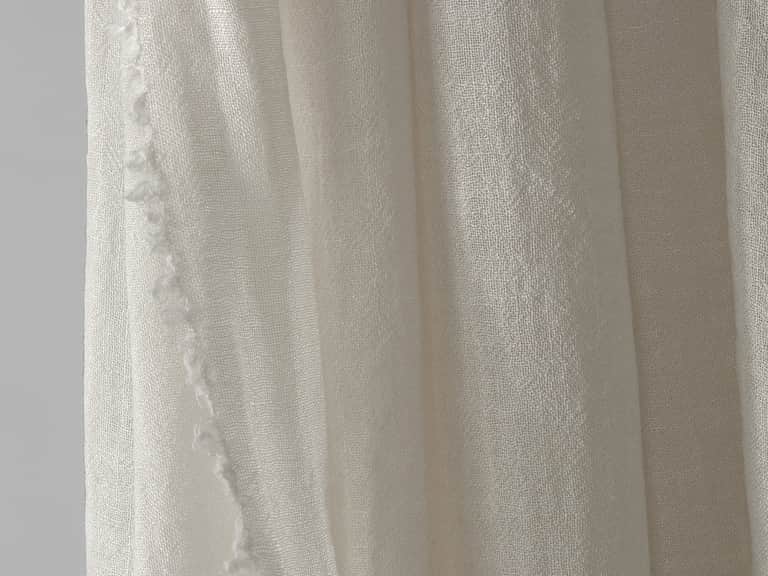
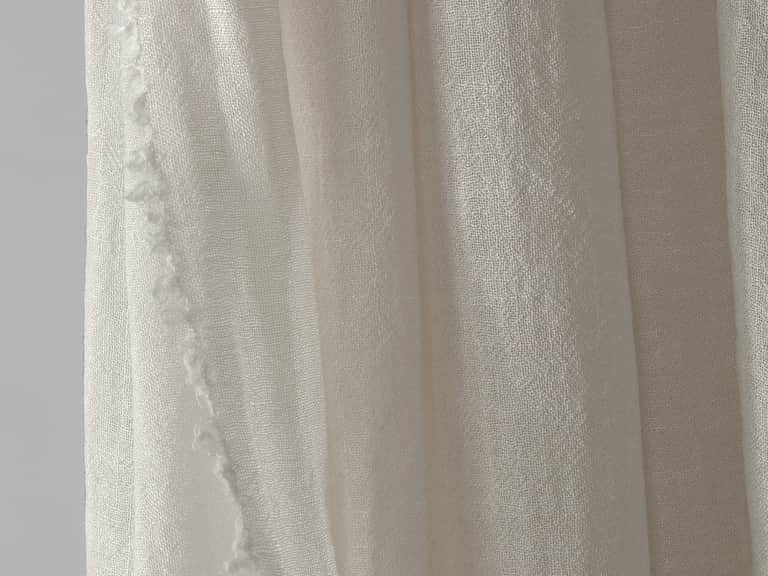
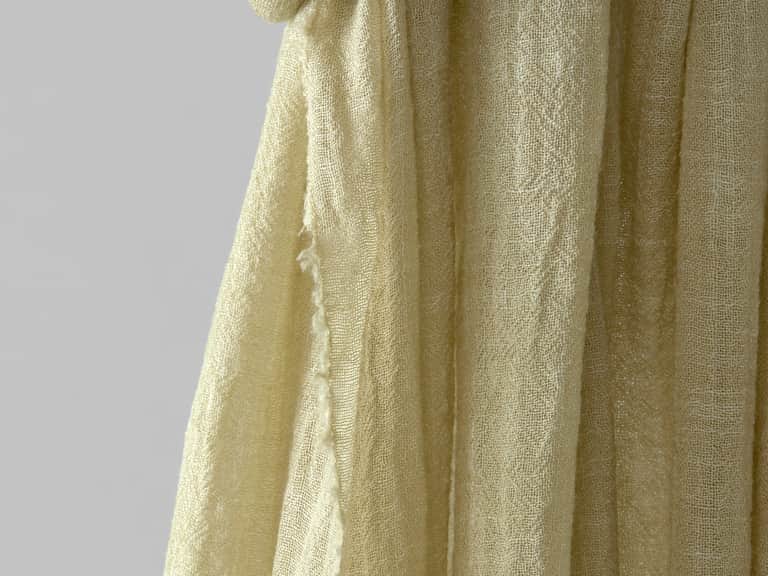
A versatile accessory that exemplifies the tactile beauty of cashmere blends. The Cocktail Scarf blends silk, wool and linen for a dry hand and a lightweight, season-spanning drape. Its three-fibre composition supports breathability and a refined aesthetic, making it a micro-lesson in texture and care.

Material: Silk, wool and linen; 50% silk, 30% wool, 20% linen. Weight: 75 g/m². Care: Hand wash or gentle cycle, lay flat to dry, store folded.

Brand: Society Limonta

Price: $275.00

Product gallery
Cocktail Scarf Marmo Cocktail Scarf Perla

Sustainability Note: Caring for Cashmere Responsibly

Conscientious care extends beyond a single garment. When you invest in cashmere, you’re supporting ecosystems of fiber farming, mills, and artisans. Following gentle care guidelines minimizes waste, reduces need for frequent replacements, and respects the labor and materials that go into each knit. This is not just about looking after fabric; it’s about upholding a culture of craftsmanship and ethical sourcing that heritage brands have championed for generations.

This article is part of a broader educational initiative on cashmere and luxury knit care. For more in-depth features, check back monthly for long-form guides, expert interviews, and glossary sections designed to demystify textile terminology and care practices.

Note: Images shown are for illustrative purposes only and are representative of the described products.

Related Products

Cocktail Scarf

Society Limonta

Cocktail Scarf

Experience a lightweight, breathable scarf with a dry, silky touch. A versatile drape for any season, blending silk, wool, and linen for comfort, easy maintenance, and timeless style.
Caricia Short Sleeve Top

Sferra

Caricia Short Sleeve Top

Experience refined comfort with Italy-made cotton, a soft knit front and breathable woven back. Gentle neck binding, rolled cuffs, and durable finish—soft to wear, easy to care for, and keeps its shape wash after wash.
Women's Pima Organic Knit Jogger

Coyuchi

Women's Pima Organic Knit Jogger

Soft, breathable Pima cotton joggers for lounging and living—comfortable fit, relaxed feel, handy pockets, and easy care. GOTS-certified, Peruvian grown and knit, machine washable, keeps shape and softness wear after wear.

Theme